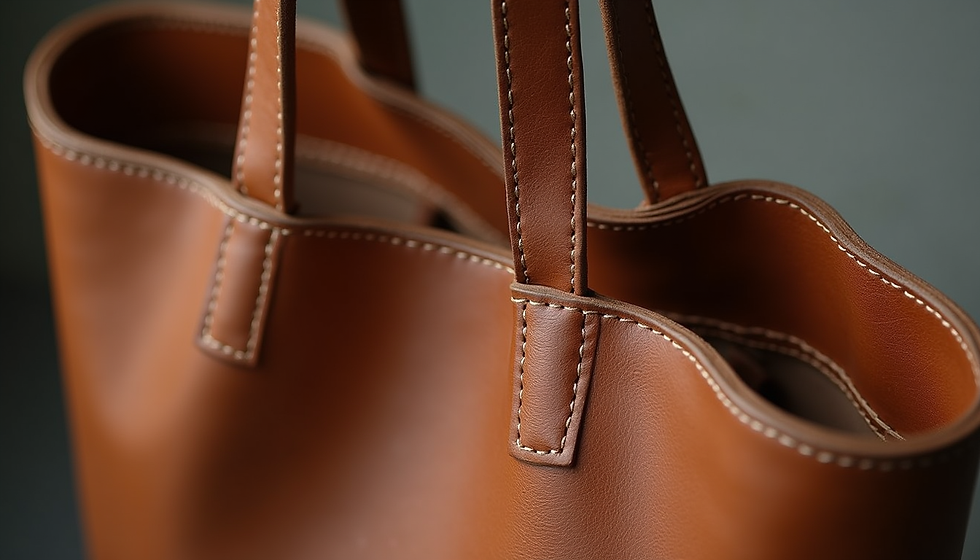
Crafting Quality: Quality Leather Products Tips in the UK
Leather products have a long history in the UK. The tradition of making durable, well-crafted items continues today. I focus on the key aspects of quality leather products. This guide offers practical advice for those who want to understand what makes leather goods last and look good.
Understanding Quality Leather Products Tips
Quality starts with the material. Full-grain leather is the best choice. It is the top layer of the hide and has not been sanded or buffed. This type of leather ages well and develops a unique patina over time. Avoid bonded or corrected grain leather. These are made from scraps and have a less durable surface.
The tanning process also matters. Vegetable tanning uses natural tannins from tree bark and plants. It is slower but produces a firmer, more natural leather. Chrome tanning is faster and cheaper but less eco-friendly. For long-lasting products, vegetable-tanned leather is preferable.
Stitching is another important factor. Look for tight, even stitches. Double stitching or reinforced seams add strength. Loose or uneven stitching can lead to early wear and tear.
Hardware quality affects durability too. Metal zippers, solid buckles, and rivets should be rust-resistant and firmly attached. Cheap hardware can break or corrode quickly.
How to Care for Quality Leather Products
Proper care extends the life of leather items. Clean leather regularly with a soft, dry cloth. Avoid water and harsh chemicals. For stains, use a leather cleaner designed for the specific type of leather.
Conditioning is essential. Leather can dry out and crack without moisture. Use a leather conditioner every few months. Apply it evenly and let it absorb fully.
Store leather goods in a cool, dry place. Avoid direct sunlight and heat sources. Use dust bags or breathable covers to protect from dust and scratches.
Avoid overloading bags or wallets. Excess weight can stretch and deform the leather. Handle items gently to maintain their shape.

What Company Makes the Best Leather Goods?
In the UK, many companies focus on handmade leather products. They use traditional methods combined with modern quality control. These companies often source local hides and employ skilled artisans.
Look for brands that provide transparency about their materials and processes. Companies that offer repair services show confidence in their product quality.
Customisation options are a sign of craftsmanship. Personalised embossing or bespoke sizing indicates attention to detail.
Visiting workshops or stores can help assess quality firsthand. Touch and smell the leather. Check the stitching and hardware closely.
Benefits of Handmade Leather Products
Handmade leather products have several advantages. Each item receives individual attention. This reduces defects and improves durability.
Artisans can adjust techniques based on the leather’s characteristics. This flexibility results in better fitting and longer-lasting goods.
Handmade items often have unique features. Slight variations in colour or texture add character. Mass-produced items lack this individuality.
Supporting handmade leather goods helps preserve traditional skills. It also promotes sustainable practices by reducing waste and encouraging quality over quantity.

Tips for Choosing the Right Leather Product
When selecting a leather product, consider its intended use. For daily use, choose sturdy, thick leather. For occasional use, softer leather may be acceptable.
Check the lining and interior construction. High-quality linings add comfort and protect the leather.
Test zippers and closures. They should operate smoothly without catching.
Ask about the warranty or repair policy. Good companies stand behind their products.
Compare prices but focus on value. Cheaper items may cost more in the long run due to poor durability.
Maintaining Your Leather Goods Over Time
Regular maintenance keeps leather goods functional and attractive. Clean and condition as needed. Inspect for signs of wear or damage.
Repair minor issues promptly. Loose stitching or small tears can be fixed before they worsen.
Rotate use of leather items to prevent overuse. This helps maintain shape and finish.
Avoid exposure to water and chemicals. If leather gets wet, dry it slowly at room temperature.
Store items properly when not in use. Use shoe trees for leather shoes and stuff bags to keep their shape.
By following these steps, leather products can last for many years.
This guide covers essential quality leather products tips. It highlights the importance of materials, craftsmanship, and care. For those who value durability and tradition, investing in well-made leather goods is worthwhile. The UK offers many options for handmade, quality leather items that stand the test of time.