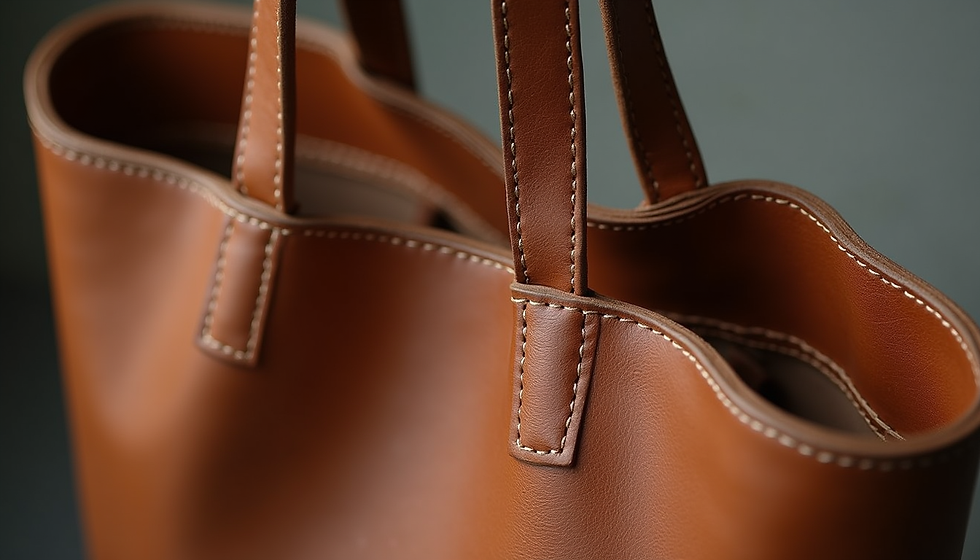
Crafting Premium Leather Products That Last
Leather products have a reputation for durability and style. I focus on making premium leather products that stand the test of time. This requires attention to detail, quality materials, and skilled craftsmanship. I want to share practical steps and insights on how to create leather items that last.
Choosing the Right Materials for Premium Leather Products
The foundation of any long-lasting leather product is the material. I always start with high-quality leather. Full-grain leather is the best choice. It retains the natural grain and is the strongest type. It ages well and develops a unique patina over time.
Vegetable-tanned leather is another good option. It uses natural tannins and is more environmentally friendly. It also becomes more flexible and attractive with use.
When selecting leather, I check for:
Thickness: Thicker leather is more durable.
Texture: Smooth and consistent grain indicates quality.
Smell: Genuine leather has a distinct, natural scent.
Flexibility: It should bend without cracking.
Other materials like thread, hardware, and lining also matter. I use strong polyester or nylon thread. Metal hardware should be rust-resistant and sturdy.

Techniques to Ensure Durability in Leather Crafting
Durability comes from how the product is made. I use traditional hand-stitching methods. Machine stitching can be fast but often less durable. Hand stitching allows for tighter, stronger seams.
I use saddle stitching with two needles. This creates a double stitch that won’t unravel if one thread breaks. I also reinforce stress points with extra stitching or rivets.
Cutting leather accurately is important. I use sharp knives to ensure clean edges. Uneven cuts can weaken the product.
Edge finishing is another key step. I bevel edges and burnish them with a slicker tool. This seals the edges and prevents fraying.
For hardware, I attach buckles, snaps, and zippers securely. Loose hardware can cause failure.

What company makes the best leather goods?
I do not promote specific companies. However, the best leather products come from makers who focus on quality materials and craftsmanship. Look for brands that:
Use full-grain or vegetable-tanned leather.
Employ hand-stitching techniques.
Offer repair services or guarantees.
Have transparent sourcing and production methods.
Customer reviews and product longevity are good indicators. Avoid mass-produced items with synthetic leather or glued parts.
Caring for Leather to Extend Its Life
Even the best leather products need care. Proper maintenance keeps leather supple and prevents damage.
I recommend:
Cleaning regularly with a damp cloth.
Using leather cleaner for stains.
Applying leather conditioner every few months.
Avoiding prolonged exposure to water or direct sunlight.
Storing in a cool, dry place.
Conditioners restore oils lost over time. This prevents cracking and drying. Avoid harsh chemicals or household cleaners.
If leather gets wet, dry it slowly at room temperature. Do not use heat sources.
Why Handmade Leather Products Are Worth the Investment
Handmade leather products take time and skill. Each piece is crafted with care. This results in:
Stronger construction.
Unique character.
Better fit and finish.
Longer lifespan.
Mass-produced items often cut corners. They use cheaper materials and fast assembly. Handmade items may cost more but offer better value over time.
Investing in handmade leather means fewer replacements. It also supports traditional craft skills.
Final Thoughts on Crafting Leather That Lasts
Creating premium leather products requires the right materials, techniques, and care. I focus on full-grain leather, hand-stitching, and proper finishing. Maintenance is key to preserving quality.
If you want durable, well-made leather items, look for craftsmanship and genuine materials. These products will serve you well for years.
For those interested in quality leather goods, choosing handmade options is a smart choice. They combine function and durability with timeless style.